


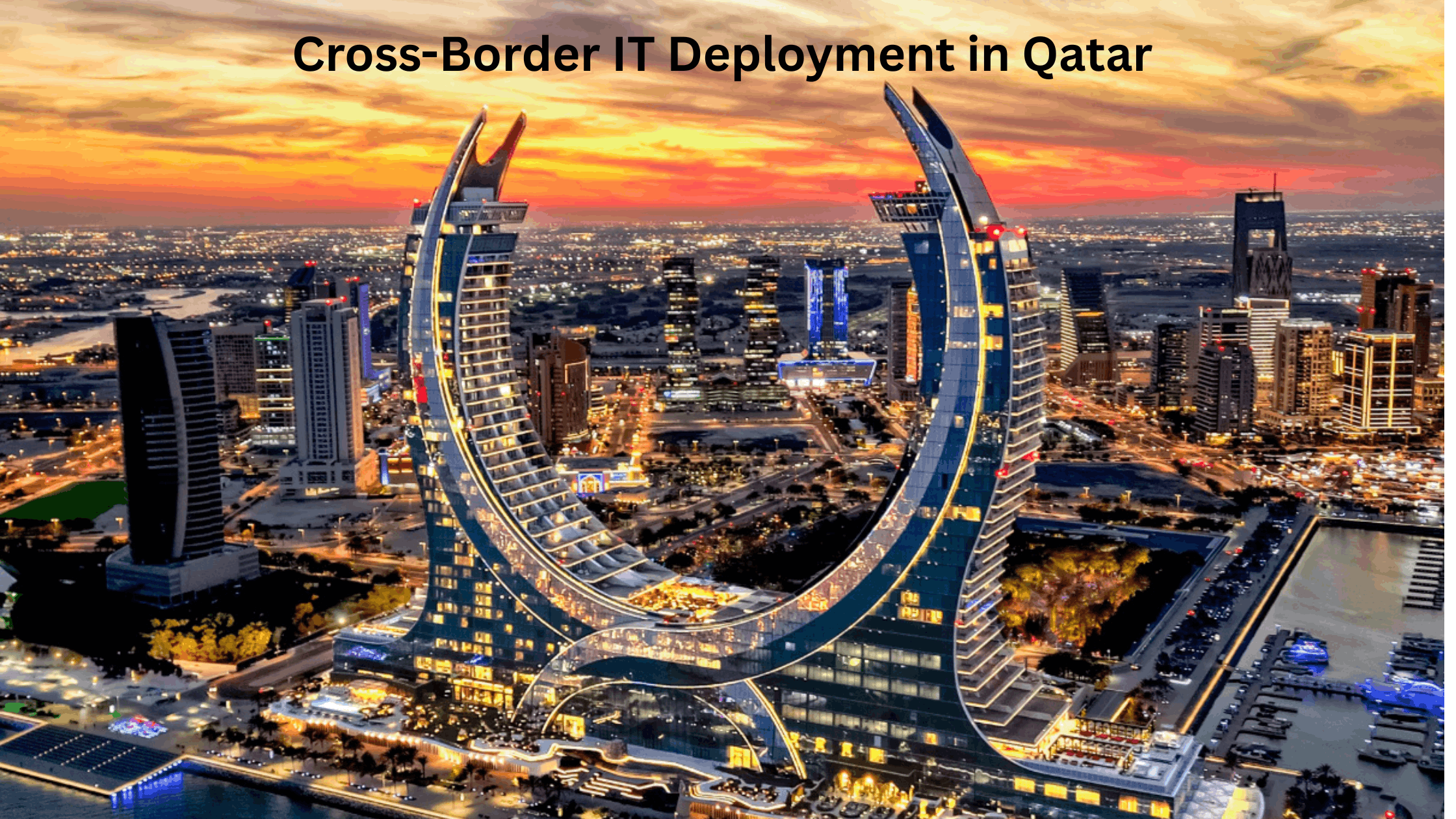
Qatar is aggressively becoming one of the most advanced technological markets in the Middle East. With significant investments in 5G infrastructure, data centers, smart cities, and enterprise digital transformation, global technological companies are now increasingly deploying IT equipment across the country.
However, when it comes to deploying cross-border IT deployments in Qatar, it involves way more than just shipping servers, networking devices, or telecom hardware. Strict customs regulations, followed by varying regulatory approvals and documentation requirements, indicate that companies must be very careful in managing compliance when importing technological equipment. For foreign organizations, especially those without a registered entity in Qatar, a licensed Importer of Record is essential to legally import and deploy IT infrastructure.
Now this guide proficiently delineates why cross-border IT deployments in Qatar require a licensed and certified Importer of Record and how businesses can streamline the process.
Want to import Telecom Equipment in Qatar? Read the complete guide here!
Understanding Cross-Border IT Deployments
Well, it is vital to get a thorough grasp of Cross-Border Deployments of IT equipment. It usually refers to the international shipment and installation of technological infrastructure in a foreign country. These deployments often involve:
- Data center equipment
- Telecom infrastructure
- Cloud infrastructure components
- IoT and smart city technologies
The major reason for this is that these products often contain regulated telecommunications components or encryption technologies, which are subject to strict regulatory review. Companies that are deploying technology across the GCC region, especially including Qatar, must therefore align logistics, regulatory compliance, and customs procedures before the shipment.
Why IT Equipment Imports in Qatar Require Compliance
Qatar’s government has implemented strict regulations to ensure that all telecom and IT equipment must comply with the desired national standards. This regulatory oversight usually includes:
- Frequency spectrum compatibility
- Network security compliance
- Device safety standards
- Telecommunication licensing requirements
Often, it is mandatory for telecom devices to obtain type approval from the Communication Regulatory Authority (CRA) before they can be imported or operated. These regulations are very similar to the varying compliance frameworks seen in other regulated markets, such as the PTA type approval for telecom imports in Pakistan, coupled with the telecom approval systems across the borders of GCC technology ecosystems.
Without proper regulatory clearance, shipments will be delayed or held by customs authorities, or can even be seized in worst-case scenarios.
Why Foreign Companies Need a Licensed IOR in Qatar?
Nowadays, many international businesses deploy IT infrastructure in Qatar for several projects, some of which are given as follows:
- Cloud service expansions
- Enterprise network installations
- Telecom network upgrades
- Data center deployments
However, without a local business registration, these companies are not able to legally import equipment themselves. A licensed Importer of Record efficiently deals with these challenges by:
- Acting as the legal importer
- Managing customs clearance
- Ensuring regulatory compliance
- Handling data and tax obligations
This model, in turn, allows global technology providers to deploy infrastructure quickly and seamlessly without even establishing a permanent local presence.
The Role of IOR in Cross-Border IT Deployments
When it comes to large technological deployments, compliance and timing are deemed critical. Delays in customs clearance significantly disrupt the overall timelines of the project, resulting in increased costs. An experienced, reliable, and certified Importer of Record ensures the following:
- Ensuring regulatory approvals before the shipment
- Customs documentation is prepared accurately.
- Correct HS codes classification
- Duties and taxes are properly and accurately calculated.
This, in turn, significantly reduces shipment delays and also keeps the regulatory penalties at bay. Companies that are managing technological deployments across different countries, such as the GCC market, coupled with other emerging hubs, often standardize their logistics with the aid of IOR services.
Documentation Required for IT Equipment Imports
Even with the presence of an Importer of Record, accurate documentation still remains a core concern. The following are the typical documents that are required for importing IT equipment into Qatar:
- The commercial invoice
- Packing list
- The certificate of origin
- Bill of lading and airway bill
- The telecom regulatory approval, if required
- Import permits where applicable
Errors in documentation is one of the major reasons where the custom delays stem from. Businesses deploying IT equipment across international boundaries should therefore ensure documentation is thoroughly verified before the shipment.
Why Freight Forwarding and IOR Must Work Together?
Effective and efficient coordination between freight forwarding and regulatory compliance is the key determinant in ensuring successful cross-border IT deployments. Freight forwards manage the following:
- International shipping routes
- Carrier coordination
- Efficient cargo tracking
- Transportation logistics
On the other hand, an Importer of Record ensures that the shipment complies with the local regulations. Although when these functions operate separately, delays are very likely to occur. That is why integrated logistics solutions help in making sure that the shipment arrives on time without any costly delays. This synergic approach is considered very important, especially for companies expanding across the GCC markets and other emerging technological hubs.
How AMQ International Supports Cross-Border IT Deployments?
For global technological companies that are deploying IT equipment across Qatar and the broader Middle East region, AMQ International provides integrated, comprehensive, and state-of-the-art logistics and compliance solutions. The following are the key offerings of AMQ International:
- Licensed importer of record services
- Regulatory compliance management
- Import support for telecom equipment
- International freight forwarding for telecom and IT hardware
- Customs documentation coordination
With renowned expertise and vast industry experience across Qatar, Saudi Arabia, and other GCC markets, AMQ International enables businesses to deploy technological infrastructure efficiently and seamlessly while adhering to full regulatory compliance standards. By using a synergic blend of logistics and compliance services, AMQ International proficiently helps companies in avoiding costly delays coupled with varying regulatory complications.
What is an Importer of Record (IOR) in Qatar?
An Importer of Record is a legally registered entity that ensures that all the imported goods comply with the regulations of Qatar’s customs clearance. The Importer of Record handles duty payments, documentation, regulatory approvals, and customs clearance for the whole shipment.
Do foreign companies require an Importer of Record to deploy IT equipment in Qatar?
Yes, most certainly foreign companies do need an Importer of Record to deploy IT equipment in Qatar because companies without a registered entity in Qatar typically require a licensed Importer of Record to legally import IT or telecom equipment.
What IT equipment usually requires regulatory approval in Qatar?
Equipment such as routers, modems, wireless access points, IoT devices, telecom infrastructure, and networking hardware is very likely to require approval from the Communications Regulatory Authority before importing.
How long does IT equipment customs clearance take in Qatar?
If everything is in its place, specifically the regulatory approvals and all the documentation, then customs clearance can be completed within a few working days. Delays are very likely to occur when approvals and paperwork are incomplete.